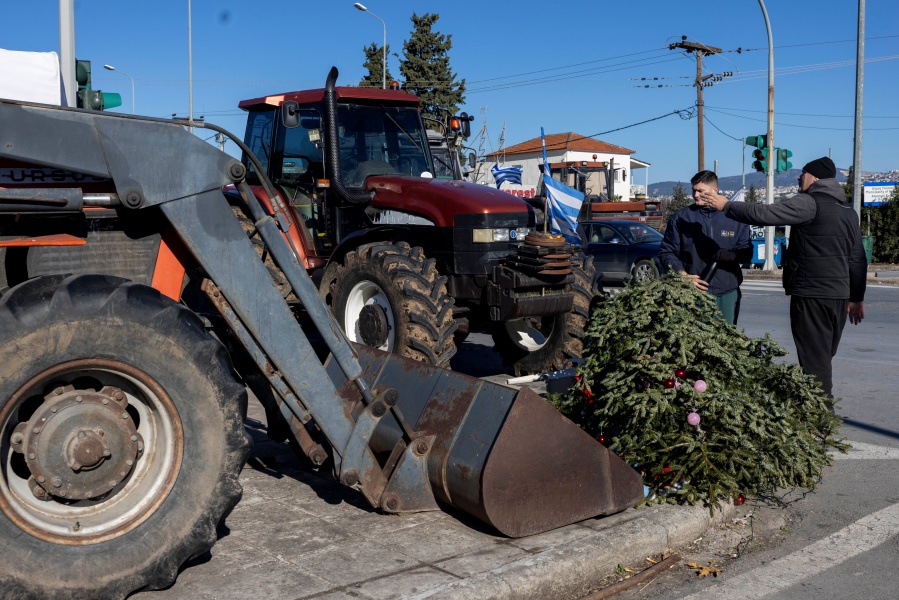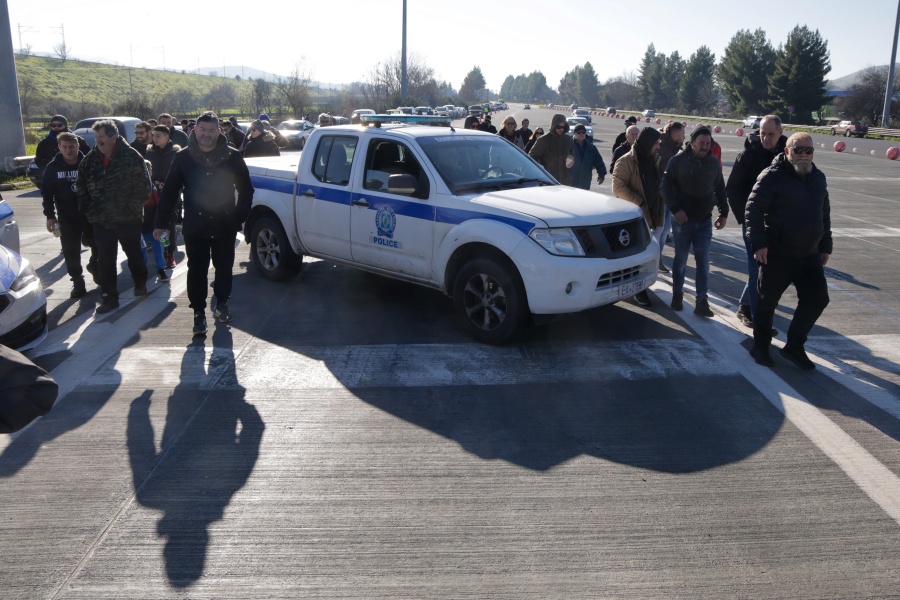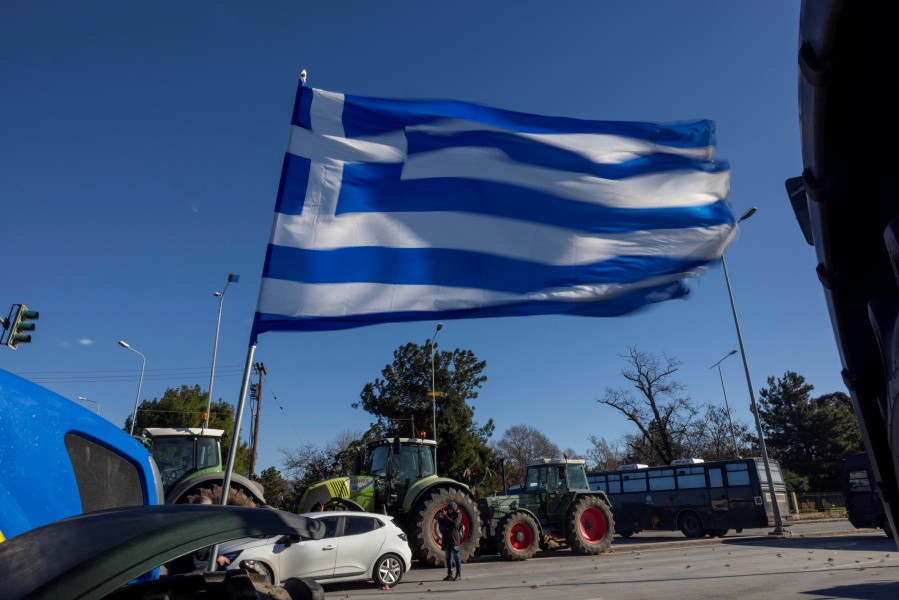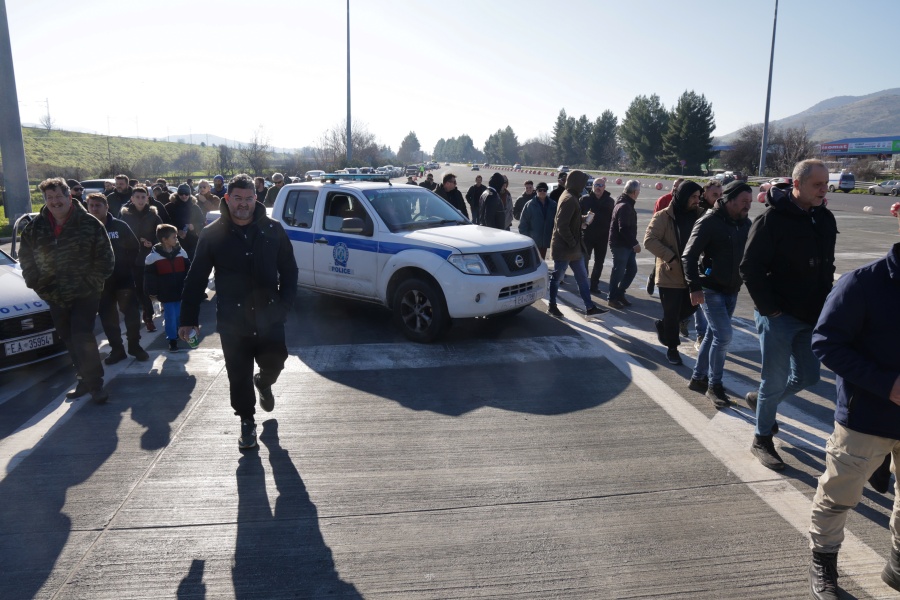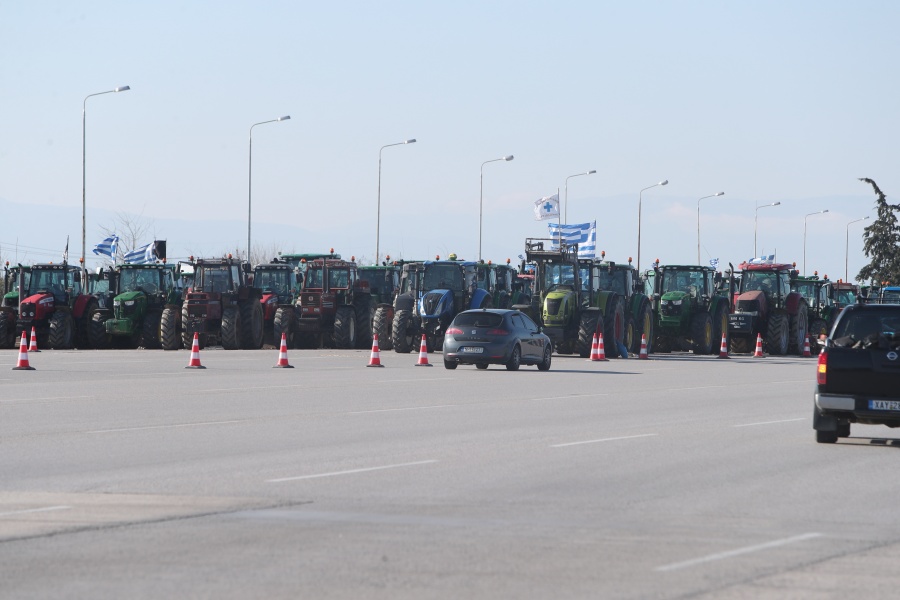
Greek farmers continue their blockades today, Sunday (28/12), maintaining symbolic closures on national highways. Despite yesterday’s Saturday announcement from 18 blockade groups regarding their willingness for dialogue with the government, tractors remain on the roads. Moreover, for tomorrow Monday they announce they will “cut Greece in two”.
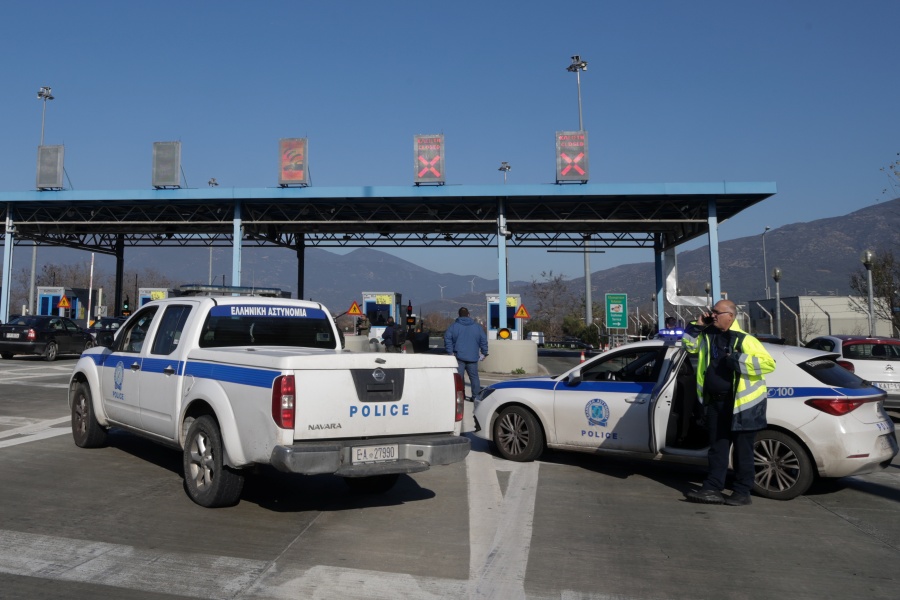
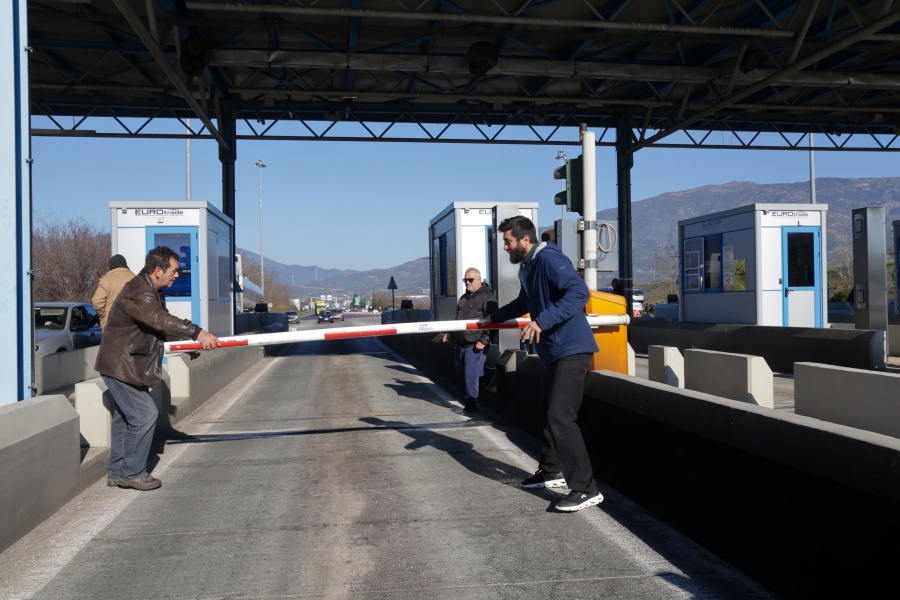
Farmers from Nikaia remain unyielding, who opened the Makrychorio toll gates today, as well as farmers in Malgara who keep the Athens-bound lane of the national highway closed. For tomorrow, Malgara farmers have announced a complete blockade of both lanes, sending the message of “closure” and aiming, as they say, to “cut Greece in two”. Very significant hardship for Christmas holiday travelers returning to Athens is being recorded in Boeotia, due to the farmers’ blockade at Kastro.
Meanwhile, Patras ring road remains blocked since yesterday Saturday, while the E65 highway in Karditsa remains closed throughout the entire period of farmer mobilizations. Farmers from western Thessaly emphasize they will escalate their mobilizations in the coming period. Through daily assemblies held at blockade sites they are informed about the progress of mobilizations, emphasizing they will continue their struggle which constitutes a matter of survival for them. “We will be the last to leave,” emphasize farmers from the E65 toll blockade and underline that “we will not move unless solutions are given to our problems.” It’s noted that Karditsa farmers lifted the barriers at the E65 tolls in Sofades today.
At Evzoni customs farmers blocked traffic in both directions from 12 to 4 pm and will repeat the blockade of both lanes from 18:00 until 22:00. At Promachonas and Exochi customs the blockade applies only to trucks, while passenger vehicles pass normally in both directions. At Derven, on Egnatia highway, they closed both traffic lanes at noon until 2 pm.
Farmers: 18 blockades say “yes” to meeting with government
Ready to respond to the government’s call for substantial dialogue to find a solution to their demands, farmers from 18 blockades declared after a meeting on Saturday afternoon (27/12) in Epanomi, Thessaloniki.
Specifically, these include 14 blockades and four agricultural associations. They are from Airport, Evzoni (Giannitsa, Paionias – Kilkis), Kerdyllia, Drama Prosotsani, Bralos, Aiginio Pieria, Niselion Imathia, Krya Vrysi Pella, Mikrothiva, Skydra Customs, Mesimeri Edessa, Chalkidona, Achaia, Ferres and Komotini, as well as the Eastern Aegean islands and Rhodes, with authorization through Chalkidona. A total of 57 blockades remain active, with farmers expected to decide their next moves after New Year’s.
In the announcement they issued after their meeting in Epanomi, they emphasize that “the situation prevailing by common admission of an entire Greek society and not only farmers necessitates immediate resolution of problems of vital importance, as these have been presented today to the government.” The necessity of starting substantial dialogue with the government for the present and future of Greek agriculture and livestock farming became apparent, as they stress in the announcement.
“Away from opportunism and manipulations,” they continue in the announcement, “as these are promoted by the government side, targeting and destroying innocent genuine farmer colleagues, we convey the message away from sterile confrontations to a fertile-substantial-and with a view to the good of an entire national economy dialogue.”
“No one is superfluous in this struggle,” they characteristically emphasize, calling on their remaining farmer-colleagues “for common descent and accompaniment to the negotiation table.” The farmers state that under no circumstances do they break the common front and clarify that this is an initiative of conditions for starting dialogue. Representatives from major agricultural blockades such as those of Nikaia, Malgara, Siatista and Promachonas were absent from the meeting.
“We don’t want to stay here forever”
“Within days we will respond to the government’s call. We are discussing and I believe step by step we will reach the dialogue table,” farmer Christos Tsilias said in statements to journalists.
“At some point all this that has been set up must have a prospect. We must see where this story gets stuck, see if the tax authority is really to blame and from there start a dialogue and whatever the state is to give should be institutionalized,” emphasized agricultural unionist Yannis Vogiatzis.
“We don’t want to make a struggle within the struggle and stay here forever. And we won’t leave until we get some of the things we’re asking for but we must go to dialogue,” said Dimitris Tsilias, member of the coordinating committee of the blockade at Prasina Fanaria.
Pavlos Marinakis: “Encouraging development the turn to dialogue”
Meanwhile, government spokesman Pavlos Marinakis welcomed as an “encouraging development” the willingness of many farmer representatives to come to the negotiation table. At the same time, he called on the rest to abandon the logic of “sterile confrontation” that tests society’s endurance.
Reminding that the government has prioritized dialogue from the first moment and that payments are progressing according to schedule, Marinakis emphasized that “with the framework we set, the overwhelming majority of demands are satisfied,” concluding that “sincere dialogue – and only this – will bring solutions.”
Pavlos Marinakis’ detailed statement:
“From the beginning of primary sector mobilizations, the government called them to dialogue. The Prime Minister had even set a specific date.
For the government, the willingness for dialogue is more than sincere. With the framework we set, after all, the overwhelming majority of farmers’ and livestock breeders’ demands are satisfied, following what we have implemented in recent years, solving decades-old demands of the agricultural sector. Meanwhile, payments are progressing according to the schedule we had set.
Now, albeit with delay, more and more representatives of agricultural mobilizations appear to understand the need to come to the dialogue table. This is an encouraging development. It’s crucial that those who still refuse dialogue understand this, leaving aside the outdated logic of sterile confrontation, which has greatly tested society’s endurance.
Sincere dialogue – and only this – will bring solutions.”
Chalkidona blockade: “We are united with Nikaia’s demands” – Accuses government of communication games
Sharp tones against the government are adopted by the Chalkidona blockade, which denounces attempts to cultivate division in the agricultural world that is in mobilizations, through – as it states – communication manipulations.
At the same time, it clarifies that it remains fully aligned with the common demands of farmers, livestock breeders, beekeepers and fishermen, as these were formed in the nationwide blockade meetings, rejecting any attempt to distort its position.
The Chalkidona blockade also raises issues of transparency in dialogue with the government, demanding specific answers to the agricultural world’s demands and clear positioning on critical issues affecting the future of the agricultural economy.
The Chalkidona blockade states in detail:
“Since yesterday we witness another episode of the government’s communication game to sow discord in the agricultural world that is in mobilization. In this effort it has allies and some willing water-carriers, such as the ‘truth team’.
As Chalkidona blockade we must clarify that we stand behind the demands of farmers – livestock breeders – beekeepers – fishermen, as these stood after the nationwide blockade meeting in Nikaia. Under no circumstances have we differentiated our stance from the decisions taken from the Nikaia and Lefkon meeting. The attempt to distort the truth will fall into the void once more.
The government trumpets that dialogue doors are open, that it has solved 20 of the 27 demands, but doesn’t tell us which are those 20 it has given solutions to and which are the 7 it will discuss. Also, it tells us nothing about the Mercosur agreement, what are its consequences and what is its stance towards this agreement.
Let the government leave communication and deal with substance. To answer in writing to the demands it received.
As Chalkidona blockade we believe that any dialogue must be done in the light and not behind closed doors. The Ministry of Agricultural Development has the responsibility and must undertake to give solutions to the agricultural world’s just demands, so that from these it becomes apparent that there is a prospect for sustainable agricultural economy that will reverse rural desertification.”
What the Nationwide Blockade Committee says
Sources from the Nationwide Blockade Committee respond through ThessPost.gr that “With people who appear like comets and serve government interests, we will not dialogue… The Nationwide serves unity and the interests of all primary sector people.”
For his part, farmer Vassilis Mavroskas from Epanomi analyzed the “red lines” set at the meeting as follows: 70% of the demands the government considers it has satisfied should be institutionalized in Parliament, payments to livestock breeders who lost their herds from foot-and-mouth disease, not to “hang out to dry” honest farmers as in Malgara, as he states “the problem they supposedly found in the tax authority affects all of northern Greece.”
See photos from farmer blockades: