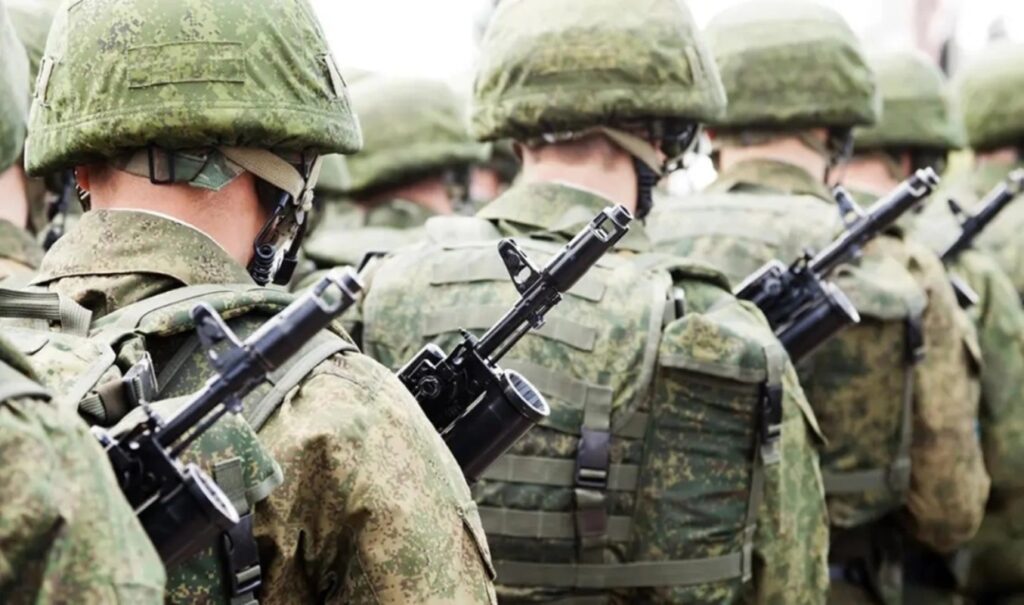
Europe is entering a phase of widespread military forces reinforcement, as concerns grow over the possibility of a broader military confrontation with Russia. Despite Moscow’s assurances that it has no aggressive intentions toward European states, many governments are redesigning their defense doctrines, focusing on personnel, reserves, and military training.
Read: Ukraine: Damage to two ships and two piers in southern Russia from drone raids (Video)
According to Reuters, while the United States pushes for talks aimed at a possible peace agreement, European leaders assess that Russia continues to pose a strategic threat. The result is a series of initiatives that radically change how armies are organized across the continent.
Military forces reinforcement and new service models
In Germany, a new military service system was agreed upon in November that maintains its voluntary character but leaves open the possibility of mandatory conscription. The plan provides for higher pay, additional incentives, and mandatory registration with medical examination. The goal is to increase the army from 180,000 to 260,000 soldiers and double reserves to 200,000, with related regulations expected to become law in early 2026.
France is proceeding with the creation of a new voluntary military service for 18 and 19-year-olds, lasting ten months and with pay. The program is planned to start by mid-2026, with an initial target of 3,000 participants and prospects to reach 10,000 by 2030. Meanwhile, Paris seeks to increase reserves to 100,000 and maintain armed forces at approximately 210,000 personnel.
Britain does not plan to restore mandatory military service; however, the government aims to increase the regular army to at least 76,000 soldiers in the next parliamentary term, emphasizing retention of existing personnel and modernization of structures.
Reserves, civilian training and new threats
Denmark plans to increase mandatory service duration from four to eleven months in 2026 and strengthen the number of conscripts from 5,000 to 7,500 by 2033. From 2025, service becomes mandatory for women as well.
Finland, which relies on mandatory male conscription, maintains a war strength of 280,000 soldiers and adds approximately 20,000 new reservists annually. However, declining birth rates cause concern for the future of reserves, with the government considering including women and raising the service age limit from 60 to 65 years, which could bring total reserves to approximately one million people by 2031.
Italy focuses on creating a new military unit to address hybrid threats, with a force of up to 5,000 soldiers, while the Defense Ministry plans to conscript 6,000 volunteers with fixed-term contracts in 2026.
The Netherlands has set an ambitious goal to increase armed forces personnel from 74,000 to 200,000 people, emphasizing reserve strengthening. In Poland, a voluntary military training program is implemented aiming to train approximately 400,000 civilians in 2026, in subjects such as security, survival, first aid, and cybersecurity.
Romania intensifies voluntary recruitment, offering better pay and training, while new legislation provides for four-month paid training with bonuses for 18 to 35-year-olds. Finally, Sweden, which restored mandatory service in 2017, aims to increase conscripts to 12,000 by 2032, while facing serious shortages in professional officers due to upcoming retirements.
The overall picture, as outlined by Reuters, shows a Europe that is rearming and readjusting its defense reflexes, in a period of heightened geopolitical uncertainty.