The European Commission is seriously considering proceeding with a second edition of the SAFE loan program, according to Reuters sources. The new financial instrument could amount to many billions of euros and be directed exclusively to defense projects, at a time when Europe seeks to strengthen its military capabilities.
Reuters: What European officials reveal about the second SAFE program for European defense
As two EU officials cited by Reuters point out, this discussion is part of the broader framework of concerns about the increasing threat from Russia, but also about the uncertainties that exist around the future stance of the United States on European security issues.
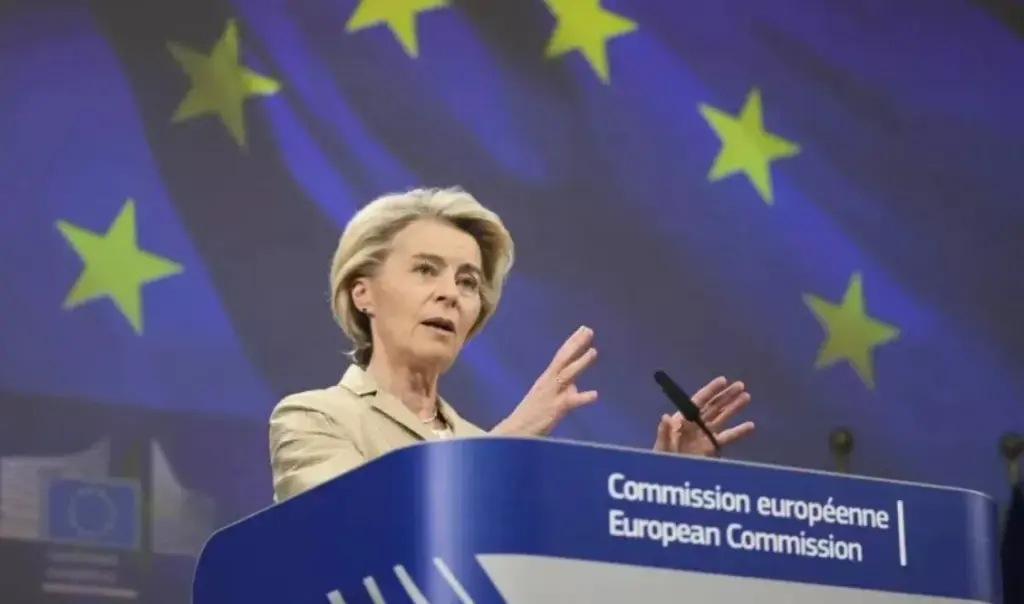
The existence of intense pressure from member states was also confirmed by European Commission President Ursula von der Leyen, who speaking Thursday evening at a Politico event in Brussels mentioned that the initial SAFE program, worth 150 billion euros, was oversubscribed to such a degree that several countries are already requesting a second edition.
The two European officials, who spoke anonymously due to the sensitivity of internal consultations, said that the Commission is actively examining the plan, without however a final decision having been made yet on the timeline or the amount of funds.
How the SAFE program works
Through SAFE, the European Union proceeded with joint borrowing from the markets, in order to grant loans to member states for defense investments, with particularly favorable terms. For most countries, which do not have an AAA credit rating like the EU, the benefit is significant, as they secure lower borrowing costs.
At the same time, SAFE loans can have a duration of up to 45 years, with a grace period of 10 years for capital repayment, offering significant fiscal relief.
Indicative of the intense demand is the fact that within the framework of the existing program, applications for loans totaling approximately 190 billion euros were submitted, an amount that exceeds the initial ceiling.
According to one of the officials, this strengthens the argument in favor of a second edition. “It is still early to speak accurately about the amount of funds,” he noted characteristically, however leaving open the possibility that the new program could be activated within the next year. “There are valid arguments for why such a tool is necessary,” he concluded.