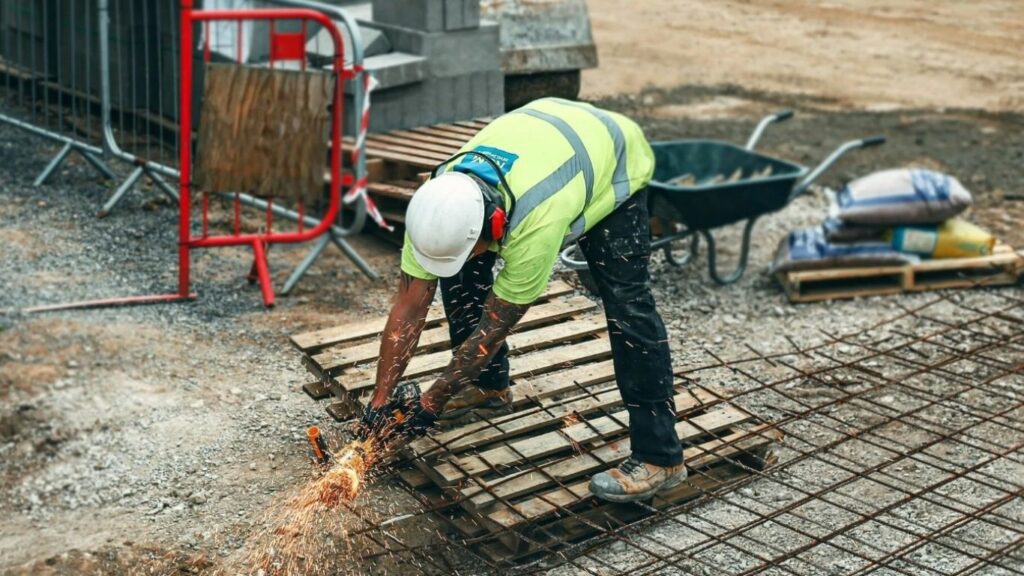
From 2013 to 2023, the European Union recognized a total of 40,538 cases of cancer related to workplace exposure, according to the latest data from Eurostat. In 2023 alone, 3,500 new cases were recorded, an increase of 191 compared to 2022 (3,309 cases). The term occupational cancer refers to cancers caused by exposure to carcinogenic agents in the workplace, usually after prolonged exposure. In many cases, the disease manifests several years after initial exposure – even four decades later.
How the coronavirus pandemic affected cases
The figures for 2020 (3,094 cases), 2021 (3,258) and 2022 (3,309) were recorded lower than the annual average for the period 2013-2019, which amounted to 3,909 cases. The decrease is likely attributed to the pandemic’s impact on the work environment and healthcare systems.
This information comes from occupational disease data published by Eurostat.
The European service presents some findings from the more detailed article titled “Occupational Cancers”.
The two most common types of occupational cancer
Analysis of data from 2013-2023 reveals that two forms of cancer dominate recognized cases:
Lung cancer, with 16,499 cases, constitutes the most frequent diagnosis. Mesothelioma, with 16,469 cases, comes second. This is a rare form of cancer directly linked to asbestos exposure that develops in the thin layer of tissue surrounding internal organs, known as the mesothelium. Together, these two types account for 81.3% of all new recognized occupational cancer cases in the last decade. Third place follows with 2,696 cases of bladder cancer.
What is occupational cancer
According to the official website of the Hellenic Cancer Society, occupational cancer includes hematological malignancies, malignancies affecting the upper respiratory tract, lower digestive system, as well as malignancies of the kidneys, prostate and bladder.
Asbestos fiber encountered in construction and other similar work “escapes, becomes airborne and is inhaled. It is the absolute cause of mesothelioma (a severe form of cancer of the internal lining of the chest or abdominal wall) which is rare, and also constitutes a significant cause of lung cancer. Even the removal of existing sections requires great care and special attention. And here there is a major gap that the State urgently needs to fill: namely, some competent authority must organize how asbestos will be removed from homes, transported, buried, and stored in a way that makes it harmless,” according to the Hellenic Cancer Society.