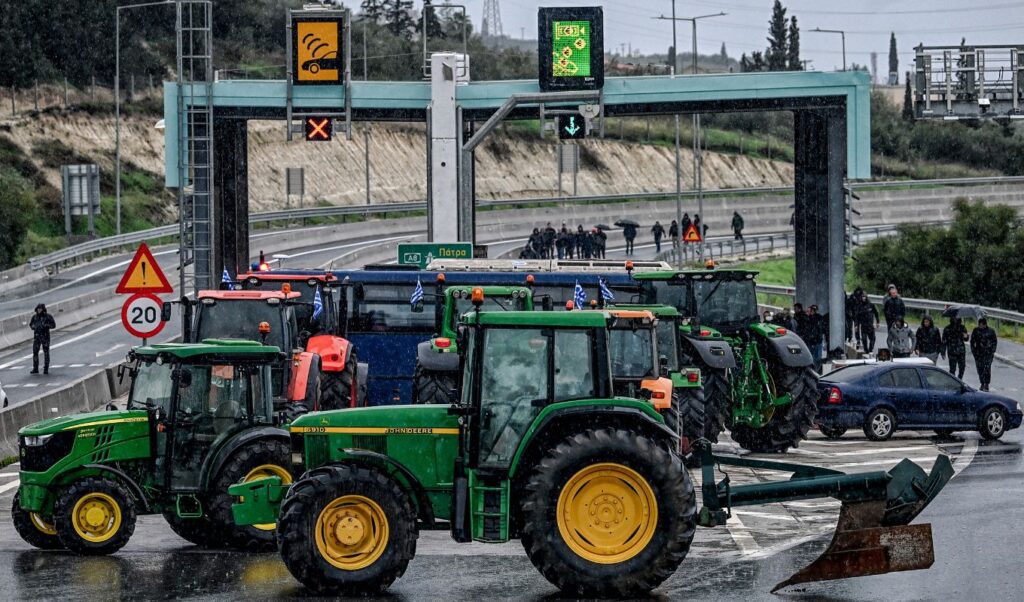
The farmers continue for the sixth consecutive day their uninterrupted mobilization planning, setting up daily new blockades. Today, blockades are expected at Prasina Fanaria, near “Macedonia” Airport, as well as in Fthiotida, while tractors will take to the roads at Bralos. Over the weekend, similar actions will follow in Siatista, Kastro Boeotia, and Northern Evros. The farmers’ goal is to establish at least 30 major blockades at key points of the national road network by the end of the week, thus completing the first phase of their mobilization.
Starting Monday, new forms of action are planned that will move into cities: port occupations, tractor marches, and other activities that have not yet been announced. Next week is considered pivotal for substantial contact with the government, aiming to detect intentions from both sides so that the crucial meeting doesn’t remain at a formal level.
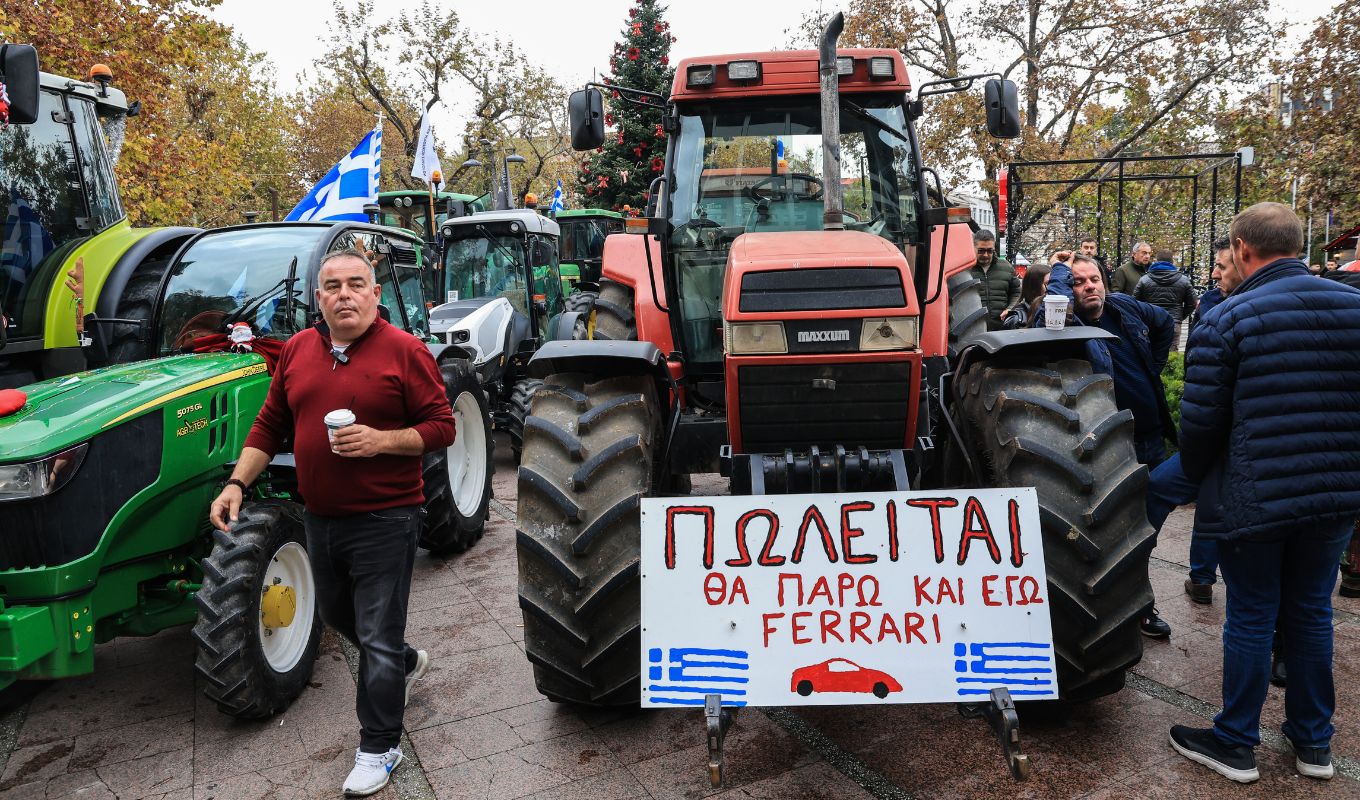
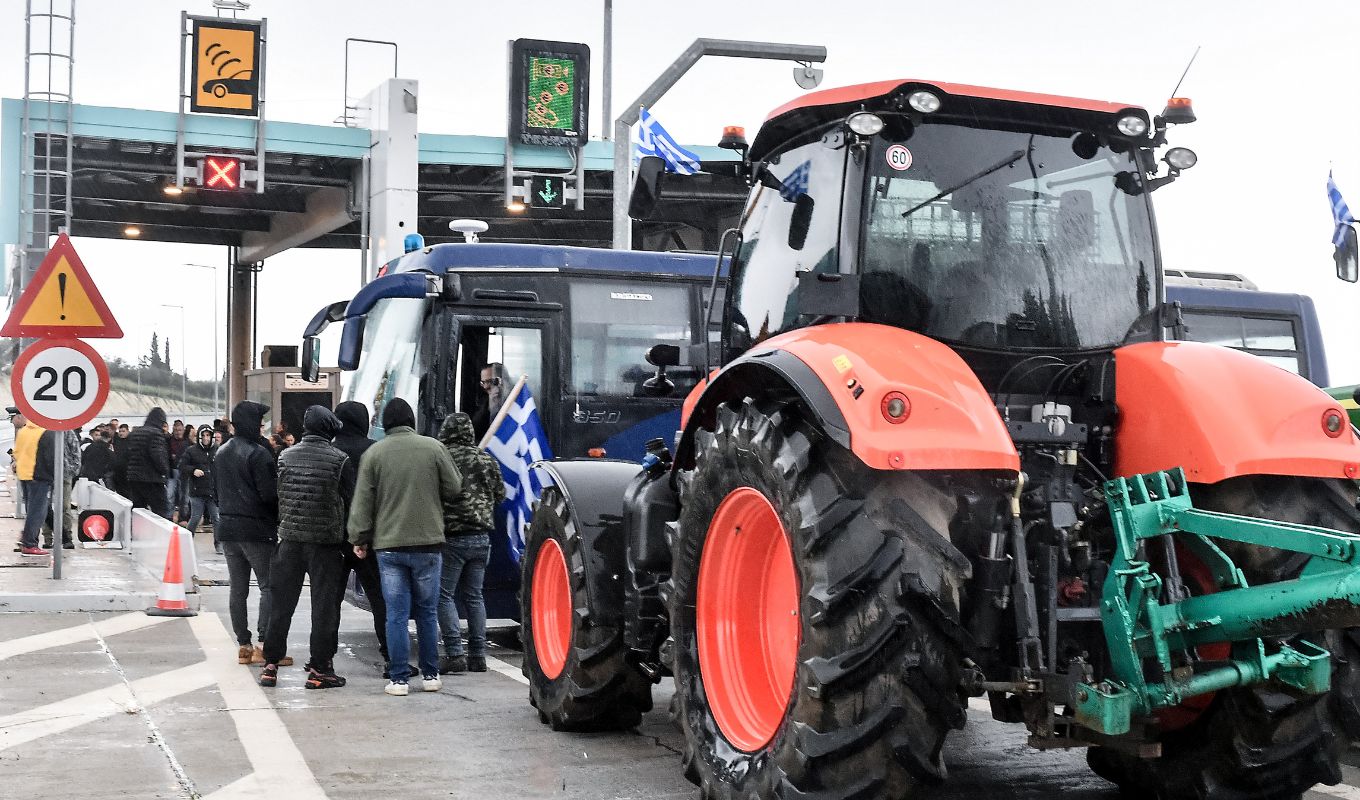
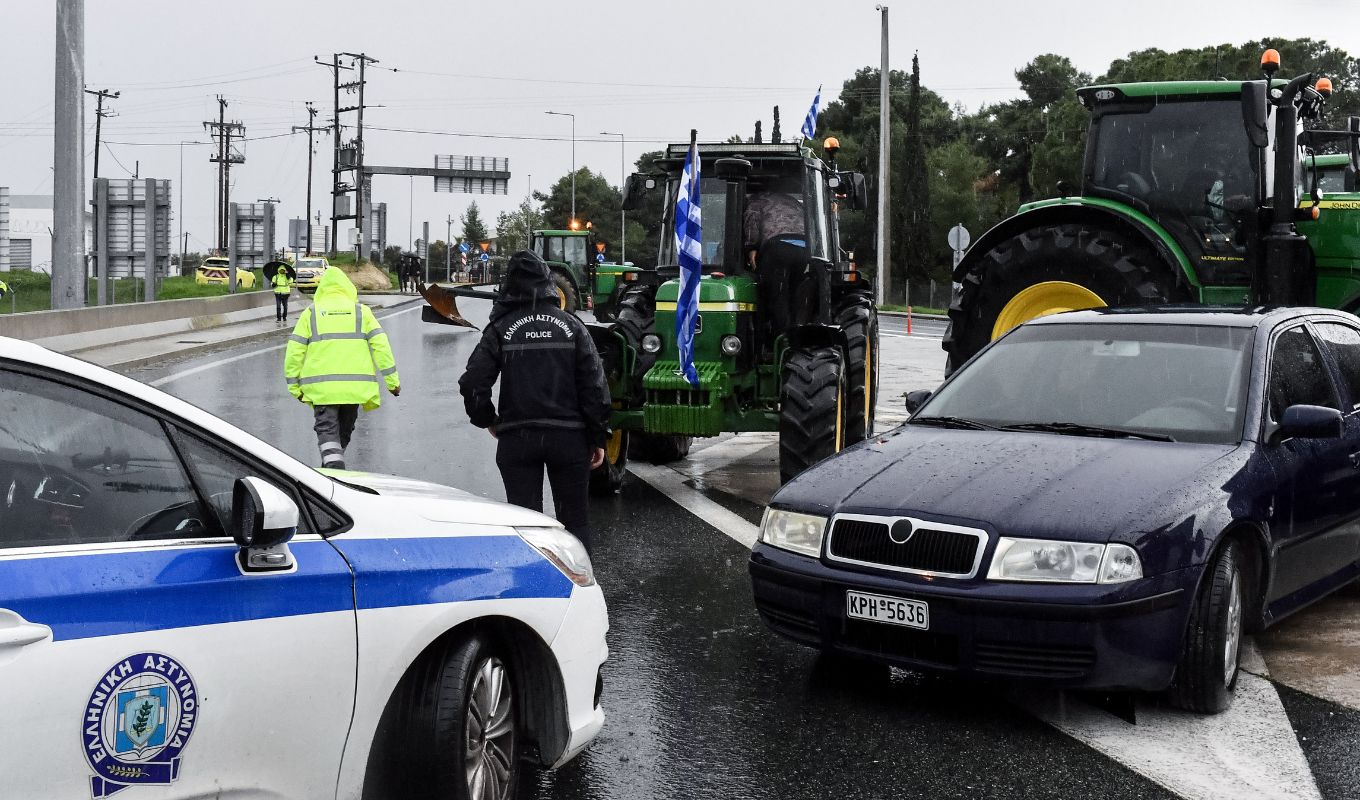
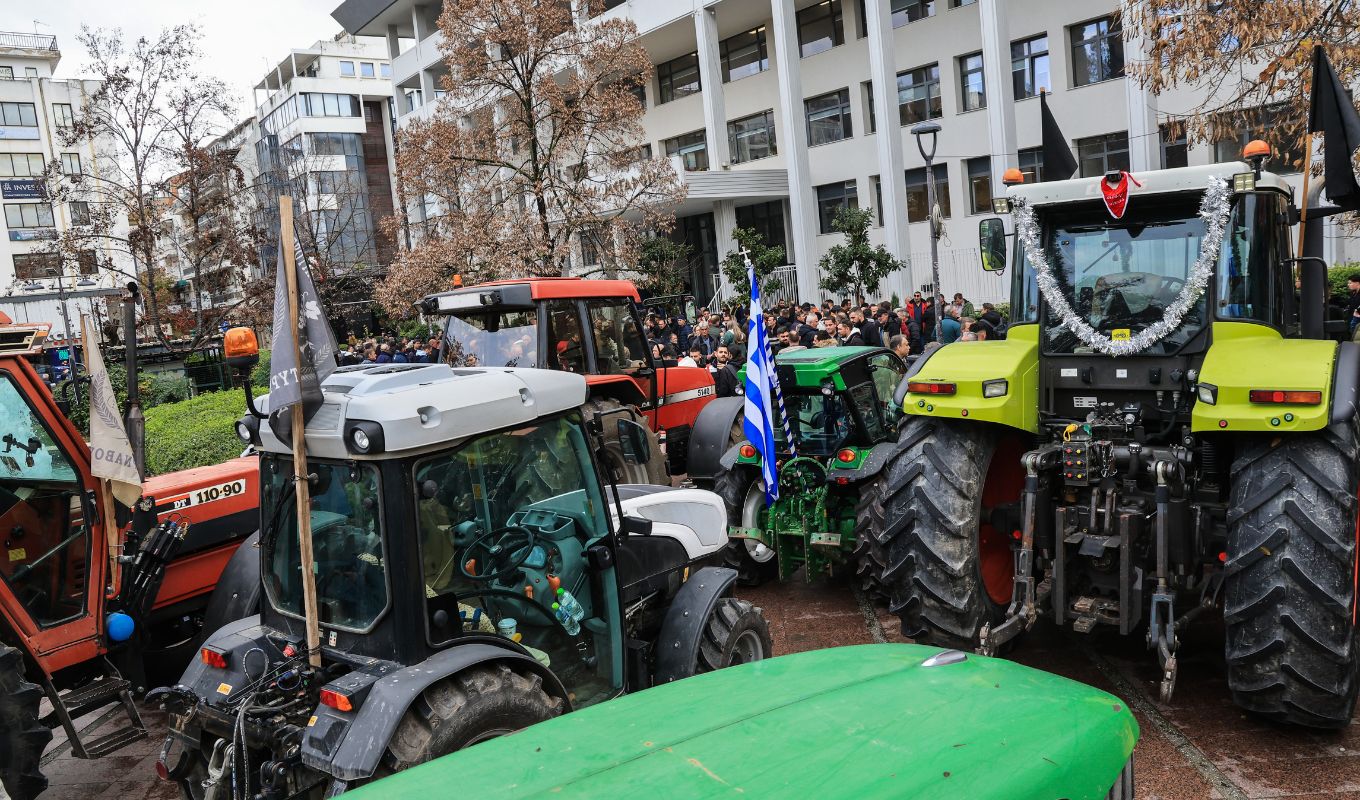
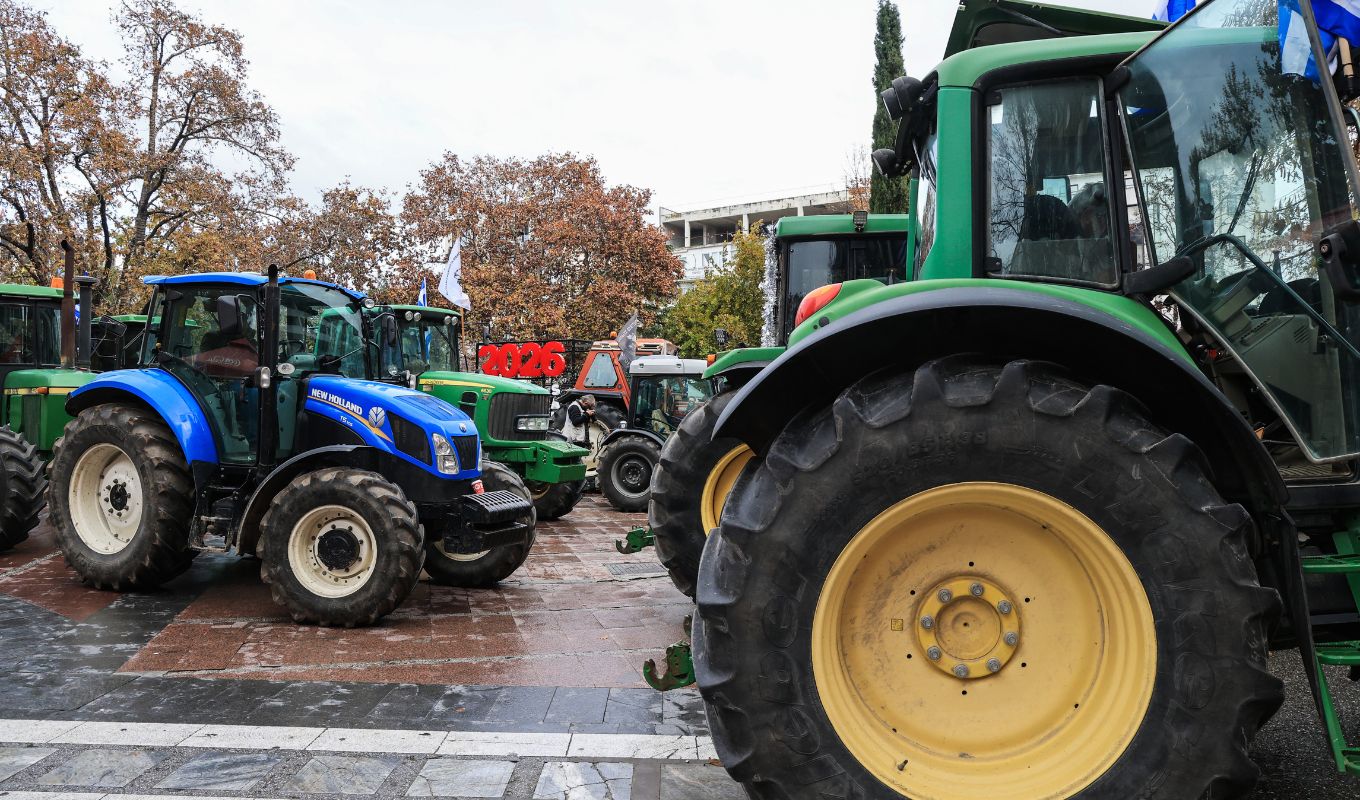
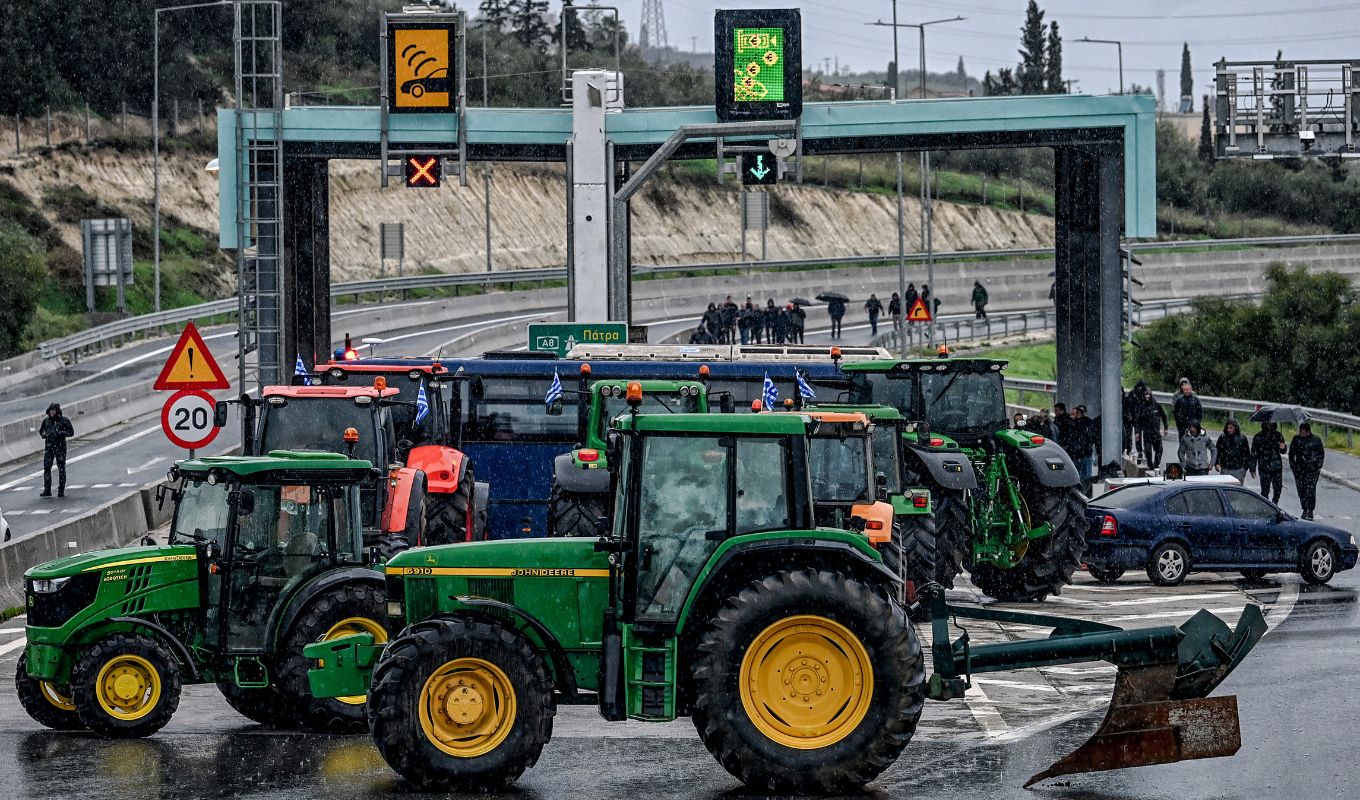
Towards the end of next week, the nationwide blockade committee is expected to convene in Nikaia, Larissa, which will examine all escalation scenarios before meeting with the government.
Meanwhile, farmers note that “the highway could open as early as tomorrow,” emphasizing that the “key” lies in government decisions regarding the future of the primary sector. At the same time, they criticize farmer groups attempting to meet with government officials individually, without collective decisions.
Farmer spokesperson warns of unprecedented escalation: “You’ll see protests like never before”
“From Monday, when the blockade map will be completed across the country, you may see escalations you haven’t seen in previous years,” declared Socrates Aleiftiras, press spokesman for the Larissa Agricultural Federation, speaking on Parapolitika 90.1’s “On Air” program with journalist Niki Lymberaki on Thursday, December 4. He also emphasized that “we have exhausted dialogue with the competent ministers; the ball is now in the Prime Minister’s court. The discussion will happen with blockades on the roads.”
He added: “The government is not the one looking out for us to receive our money on time and what we should receive. The government was the one that in previous years, with its tolerance, covered the OPEKEPE scandal by giving money to people who had no connection to the primary sector profession. The primary sector takes to the streets because this year it has enormous survival problems – chronic problems that OPEKEPE and the foot-and-mouth disease worsened. We take to the streets because of the enormous production costs we face.
When asked if it still holds true that products are “cheap in the field and expensive on the shelf,” he said: “Prices for agricultural products are humiliating. They are dirt cheap. For example, calves leave Thessaly invoiced at 7.80 euros and you buy them in Athens for 17-20 euros. Lentils leave the field cleaned at 70 cents and you buy them at the supermarket for 3.5-4 euros per 500g. This is because obviously the government doesn’t have the will – I don’t think it’s a matter of incompetence, I think it’s a matter of will – to control all these middlemen and profiteers who exploit both producers and consumers.”
“We’ve seen Mr. Tsiaras three times in the last four months and he couldn’t solve our issues because he told us that when we talk about energy costs and DEI, he refers us to Mr. Papastavrou; when we talk about cheap products in the field being expensive on the shelf, he refers us to Mr. Theodorikakos; if we ask for additional money, he refers us to Mr. Pierrakakis. The primary sector is a multi-faceted problem involving multiple ministries, so I believe we have exhausted dialogue with the competent ministers and now the ball is in the Prime Minister’s court. The Prime Minister tells us he’s open to dialogue but says dialogue with open roads. For so long the roads were open and we didn’t see Mr. Mitsotakis do even the minimum. Mr. Mitsotakis must give us answers or indications about what he plans to do with the primary sector based on the demands we have set.”
Finally, when asked if they would go with open roads if Mr. Mitsotakis calls them, he replied: “No, the discussion will happen with blockades on the roads, but Mr. Mitsotakis must give us answers to the demands we have made, not talk to us about efforts he’s making to reduce production costs. Substantial solutions and answers to the demands we have posed from the first day we began our mobilizations.”
Thessaloniki farmers prepare to block Macedonia Airport
The intention of farmers from Eastern Thessaloniki and Halkidiki to block Thessaloniki’s “Macedonia” Airport was reported yesterday, Thursday, by journalist Virginia Dimaresi from Status FM 107.7 on Parapolitika 90.1’s Midday Magazine. As the journalist said, Wednesday saw a meeting of farmers from Thessaloniki and Halkidiki at the Great Municipal Theater of Epanomi with massive participation, and as Ms. Dimaresi said, conveying farmers’ testimonies, “people had anger and rage.” Indeed, farmers expressed their intention to close the airport. According to the journalist’s testimony, the president of the Agricultural Cooperative of Trilofo, Christos Tsilias, reportedly stated: “We will get as close as possible to the airport, because if we close Prasina Fanaria, we essentially close our own villages. We don’t want to close Moudanion or Mihanionas roads.”
“The information we have, because so far, as you understand, the scenario is somewhat unclear and data changes from minute to minute, is that they will close the airport tomorrow possibly after 12 noon. We’re saying this so people traveling through Thessaloniki airport know. Yesterday evening there was a meeting of farmers from Thessaloniki and Halkidiki, where this specific decision was made. So we’re talking about a very serious escalation if Thessaloniki airport closes,” she emphasized.